
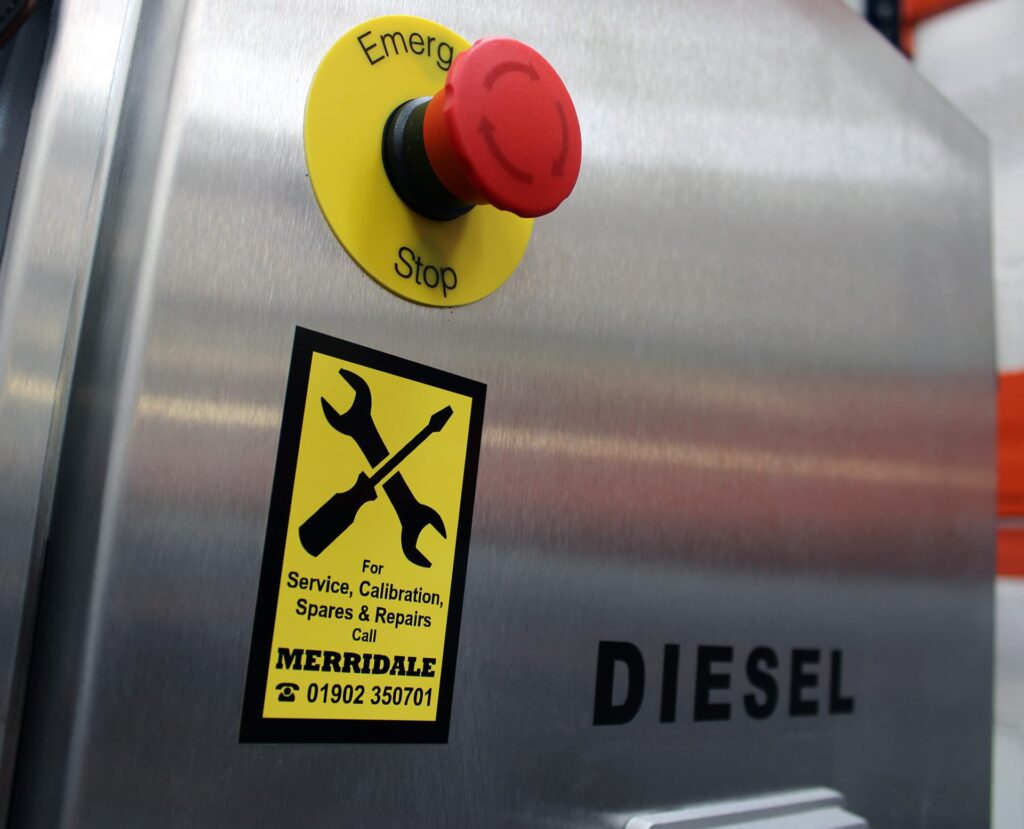
Fuel pumps and fuel management systems are critical to day-to-day fleet operations. When they are not properly maintained, the impact can be immediate — from inaccurate fuel data to unexpected breakdowns that disrupt operations and increase costs.
Regular servicing plays a key role in maintaining the performance, accuracy, and reliability of your fuel installation. Over time, components naturally wear, which can reduce efficiency and lead to inconsistencies in fuel dispensing and reporting. An annual service ensures that equipment is inspected, cleaned, and maintained using the correct parts, helping it continue to operate at optimal performance.
Proactive servicing also helps identify potential issues before they become costly problems. Detecting faults early can prevent unplanned downtime and ensure your business can continue operating without disruption. In contrast, a fuel pump failure can quickly lead to delays, lost productivity, and additional repair costs.
Safety is another critical consideration. Poorly maintained fuel equipment can present both safety and environmental risks, particularly in busy depot environments. Regular inspection and servicing help ensure that systems remain compliant, safe to operate, and free from issues that could lead to fuel leaks or hazards on site.
Using the original equipment manufacturer (OEM) for servicing offers additional advantages. As the manufacturer, Merridale has full knowledge of how each system was built — including software versions, component specifications, and any upgrades made over time. This allows engineers to diagnose issues more quickly and arrive prepared with the correct parts and expertise. Third-party providers may not have access to this level of detail, which can lead to longer repair times or incomplete servicing.
OEM servicing also helps protect your investment. Following the recommended service schedule ensures that warranties remain valid and that equipment continues to meet performance and compliance standards over the long term.
Inspection and calibration: what fleet operators need to know
A common question from fleet operators is how often fuel installations should be inspected and calibrated. As a general guideline, systems should be inspected and calibrated at least once per year. However, sites with higher fuel throughput or more demanding operating conditions may require more frequent checks — such as twice yearly or, in some cases, quarterly.
The correct frequency depends on several factors, including how heavily the system is used, the type and age of the equipment, and how it is treated on a day-to-day basis.
Calibration accuracy is heavily influenced by the quality of the equipment. High-quality fuel pumps fitted with positive displacement meters and proper air separation tend to maintain accuracy for longer periods. In contrast, lower-quality systems or worn components may drift out of calibration more quickly, leading to inconsistent readings and potential fuel loss.
It is also important to recognise that calibration does not apply only to fuel pumps. Tank content gauges must also be checked regularly. Environmental regulations require operators to reconcile fuel usage against tank stock levels to identify leaks or discrepancies. If gauges fall out of calibration, this process becomes unreliable, increasing both financial and environmental risk.
A complete inspection and calibration service
Merridale provides a comprehensive inspection and calibration service designed specifically for commercial fuel installations. Each inspection includes a detailed, multi-point assessment of the system, ensuring that all components are operating correctly and safely.
Following each visit, customers receive a full report outlining the condition of their equipment, any adjustments made, and recommendations for improvements. This documentation can also support wider compliance requirements, including DSEAR assessments and site risk management.
Services can be arranged on an ad-hoc basis, as part of a scheduled maintenance programme, or integrated into a Merridale extended warranty package. Planned servicing not only ensures consistent performance but can also reduce long-term maintenance costs and extend the lifespan of the equipment.
Protect your fuel system and your operation
Regular inspection, calibration, and OEM servicing ensure your fuel management system remains accurate, reliable, and compliant — helping to avoid costly downtime and maintain full operational control.